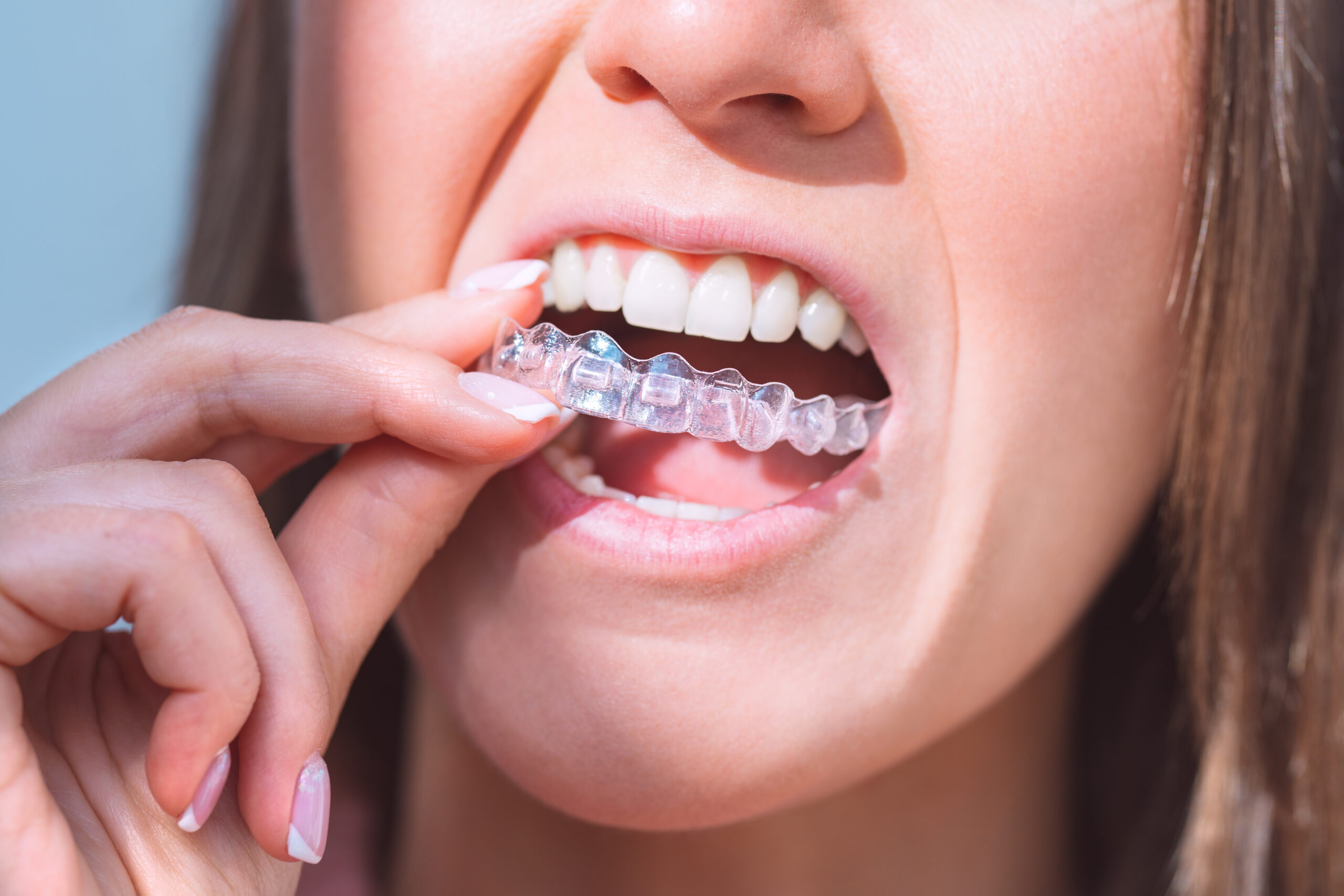
When most parents schedule an orthodontic visit, it’s because they want straight teeth. But for many children, the most important work an orthodontist can do has less to do with alignment and more to do with how the jaw and airway are developing together. Airway orthodontics is an approach to care that looks at the connection between jaw structure, nasal breathing, and overall growth. When a child’s airway is compromised or too narrow, it can lead to mouth breathing, disrupted sleep, and effects on focus and behavior that many parents never connect back to orthodontics.

At Simon Says Smile Orthodontics in Chamblee, we believe that treating children well means looking at the full picture. Dr. Hazie Simon founded this practice with a commitment to individualized care, following each patient from their first evaluation through to a confident, transformed smile. Through our airway orthodontics services, we help families in the Chamblee community understand how the jaw and airway develop together, and what we can do when development is pointing in the wrong direction.
What Is Airway Orthodontics?
Airway orthodontics is a field of care that evaluates the jaw, the palate, and the nasal passages as interconnected parts of a child’s health. When the upper jaw is too narrow or underdeveloped, it can reduce space in the nasal airway, forcing children to breathe through their mouths instead of their noses. Over time, this kind of compensatory breathing can alter facial development, affect sleep quality, and create a cycle of health challenges that extend well beyond the dental chair.
Research from the National Institutes of Health confirms that orthodontic treatment can play a substantial role in improving airway function and sleep outcomes for children with craniofacial risk factors. The goal of airway-focused orthodontic care is to guide jaw development in a way that supports proper breathing, not simply to straighten teeth for cosmetic reasons.
Signs Your Child May Have an Airway Concern
Parents are often the first to notice something is off. A child who snores, sleeps restlessly, or seems chronically tired despite a full night of sleep may be experiencing airway compromise. A child who breathes through their mouth throughout the day, or whose teeth appear crowded without obvious explanation, may have a narrow palate that is limiting nasal airflow. These patterns do not always point to a serious problem, but they are worth discussing with an orthodontist.
Some of the most common indicators that a child may benefit from an airway evaluation include:
- Mouth breathing during the day or while sleeping
- Snoring, restless sleep, or waking frequently at night
- Crowded teeth or a narrow, high-arched palate
- Difficulty concentrating or unexplained behavioral challenges
- Chronic headaches, dark circles under the eyes, or persistent fatigue
- Delayed facial growth or an imbalanced jaw relationship
If your child shows any of these signs, a pediatric orthodontic evaluation can be a valuable first step toward getting answers.
How Airway Orthodontics Works
When an airway concern is identified early, orthodontic treatment can address the underlying structural causes before growth is complete. Palatal expansion is one of the most common approaches in airway-focused care. By widening the upper jaw, this appliance creates more space in the nasal cavity and reduces airflow resistance. Beginning early orthodontic treatment during the years when the jaw is still developing allows us to guide growth rather than compensate for problems after the fact.
We also evaluate tongue function. When the tongue does not rest or function correctly, it can affect the shape of the developing palate and, over time, contribute to a narrowed airway. We offer tongue tie treatment for children whose tongue mobility may be limiting both their oral development and their airway health. Our approach considers the full range of factors that influence how a child’s face and airway grow.
When to Schedule an Airway Evaluation
The American Association of Orthodontists recommends that children receive their first orthodontic screening by age 7, and early evaluation is especially important for airway-related concerns. Many of the structural issues that contribute to breathing problems are most effectively addressed while the jaw is still growing and more responsive to intervention. If you have noticed any of the signs described above, or if your child’s pediatrician or dentist has flagged breathing patterns or dental crowding, sooner is almost always better.
At our practice, we offer braces and clear aligner therapy, along with a full range of early and growth-focused interventions. Whether your child is 7 or 14, we can help you understand where their development stands and whether orthodontic care may improve both their smile and their breathing.
Great Smiles Start With Healthy Airways at Simon Says Smile Orthodontics
At Simon Says Smile Orthodontics, we include airway health in how we approach every young patient. Dr. Simon’s thorough, individualized evaluation process means we look at jaw structure, breathing patterns, and growth trajectories, not just tooth position. Our Chamblee practice was built on the belief that every child deserves care that considers the whole person, and we carry that philosophy into every consultation.
If you are ready to find out whether airway orthodontics could make a difference for your child, we would love to meet your family. Contact us today to schedule a consultation at our Chamblee office, and let us help your child breathe, sleep, and grow with confidence.