
Surgical Orthodontics in Chamblee, GA

At Simon Says Smile, we provide surgical orthodontic care for jaw discrepancies that braces or aligners alone cannot correct — addressing skeletal structure, not just tooth position.
Surgical Orthodontics

Who Needs Surgical Orthodontics

Surgical orthodontics is recommended when a bite problem stems from a significant size or position discrepancy between the jaws — something braces and aligners cannot resolve by moving teeth alone. When mismatched jaws affect chewing, speech, breathing, or facial symmetry, surgery is what makes a complete and stable correction possible.

Conditions commonly addressed with surgical orthodontics include:
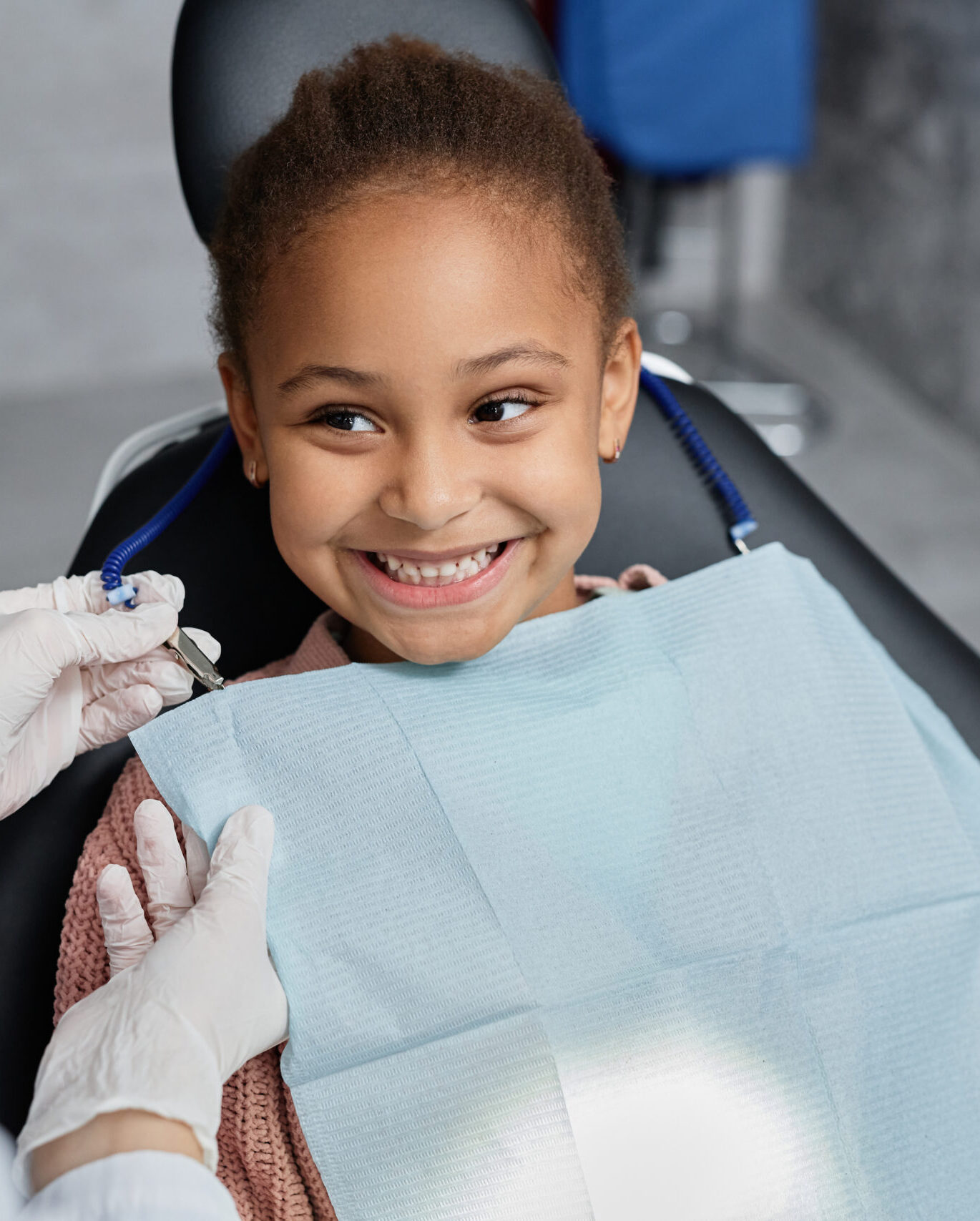
Portrait of smiling little girl in dental chair with nurse preparing her for teeth check up, copy space

How Surgical Orthodontics Works

Treatment unfolds in three phases. First, 12 to 18 months of pre-surgical braces move teeth into the positions they’ll occupy after jaw repositioning. Second, an oral surgeon repositions the jaws under general anesthesia, securing them with small plates and screws. Third, post-surgical orthodontics refines the bite as healing progresses.

Jaw Structure and Its Impact on Airway Health & Breathing

For some patients, the jaw discrepancy affecting their bite is the same factor compromising their airway. A lower jaw positioned too far back reduces space for the tongue and soft tissue, increasing sleep apnea risk — correcting jaw position can meaningfully improve airway dimensions and sleep quality.

Surgical Orthodontics for Complex Cases

Some patients arrive after prior treatment that didn’t fully resolve their bite; others have discrepancies tied to cleft palate, craniofacial conditions, or trauma. We approach each case individually, accounting for the patient’s full history, functional needs, and goals.

Coordinating Care Between Orthodontics and Surgery

Surgical orthodontics is a team effort — the quality of coordination between orthodontist and surgeon directly affects the outcome. We work closely with experienced oral and maxillofacial surgeons in the Atlanta area, serving as your single point of contact from pre-surgical preparation through final retention.

Surgical Orthodontics

What to Expect from Recovery

Recovery varies by procedure complexity. Most patients spend one to two nights in the hospital and take two to four weeks away from work or school. Swelling is significant in the first week, resolving gradually over months. Soft and liquid food restrictions apply for the first several weeks, and full bone healing takes three to six months — during which post-surgical orthodontics continues to refine the bite.

Key recovery milestones most patients can expect:

Little girl visiting dentist in clinic. Conception of stomatology.

Supporting Services That May Be Part of Your Treatment Plan

Pre-Surgical Orthodontic Preparation

Pre-surgical orthodontics is not a separate treatment — it’s essential to making surgery work. We position the teeth so that when the jaw is moved, upper and lower teeth align correctly. Skipping this phase compromises the surgical result, which is why we complete it fully before proceeding. The timeline is driven by how the teeth respond, not a fixed calendar.

Post-Surgical Retention and Long-Term Stability

Once the jaw has healed and post-surgical orthodontics is complete, retainers are fitted to maintain final tooth positions long term. Stability depends on proper bone healing, well-positioned teeth, and consistent retainer wear — all three working together. We schedule follow-up visits during retention to confirm the bite is holding as expected.

Frequently Asked Questions

Everything You Need to Know About Surgical Orthodontics

How do I know if I need surgical orthodontics?

The clearest indicators are a significant jaw discrepancy that affects how you bite, chew, or speak, or a bite problem that orthodontic treatment alone has not been able to fully correct. A consultation with Dr. Hazie Simon, including a clinical examination and 3D diagnostic imaging, is the most reliable way to determine whether surgery is the right path for your specific situation.

The surgery itself is performed under general anesthesia, so there is no pain during the procedure. Post-surgical swelling, stiffness, and discomfort are expected in the days and weeks that follow, and your surgical team will provide a pain management plan to keep the recovery as comfortable as possible.

Yes. Repositioning the jaws changes the relationship between the facial bones, which affects the profile, chin position, and overall facial balance in ways that most patients find significant and positive. Before treatment begins, your orthodontist and surgeon will walk you through projected outcome imaging so you have a clear picture of what to expect.

Cute little girl showing her milk teeth and waiting for checkup, sitting in chair in dentist office. Early prevention and no fear concept

At Simon Says Smile, Where every smile is a win!

Get In Touch

Reach out to us today to book your appointment. Our team looks forward to welcoming you and guiding you every step of the way toward a smile you’ll feel confident sharing.

Hours:

Mon-Thu: 7:30AM – 5:00PM
Fri: 8:00AM – 1:00PM
Sat-Sun: Closed

"*" indicates required fields