Airway Orthodontics in Chamblee, GA

At Simon Says Smile, we treat the bite and the airway as one — because how a child breathes, sleeps, and grows is inseparable from how their jaw develops.
Airway Orthodontics

The Connection Between Jaw Development & Airway Health

The size and shape of the jaws directly influence airway space. A narrow upper arch, a recessed lower jaw, or an underdeveloped palate can reduce nasal passage and throat dimensions — making it harder to breathe freely, especially during sleep. Because jaw development is driven by how a child breathes, swallows, and positions their tongue, these structural problems and functional patterns reinforce each other over time if left unaddressed.

Structural factors we evaluate in relation to airway health include:

AdobeStock_533246608

Recognizing Airway Problems in Children

Airway problems in children are frequently misread as behavioral or sleep issues. Snoring, mouth breathing, frequent waking, and daytime fatigue may all point to disrupted sleep breathing — and an orthodontic evaluation with airway screening is often the first step toward answers.

How We Screen and Evaluate Airway Concerns

Airway screening is built into every evaluation. When a concern is identified, our 3D imaging assesses nasal passages, airway dimensions, and jaw structure. For children showing signs of sleep apnea or airway restriction, we coordinate with ENTs and sleep physicians before treatment planning.

Airway Orthodontics for Complex Cases

Undiagnosed airway problems can significantly worsen existing challenges in children with ADHD, autism, or other developmental conditions. Poor sleep quality affects behavior, attention, and learning in ways difficult to separate from the primary diagnosis — making thorough airway screening essential.

Palatal Expansion as an Airway Intervention

Palatal expansion is one of the most direct orthodontic tools for improving airway capacity. Widening the upper arch simultaneously increases nasal passage volume — most effective during childhood while the mid-palatal suture is still open, making timing of intervention critical.

Airway Orthodontics

Myofunctional Therapy and Orthodontic Treatment

Structural treatment addresses jaw and arch dimensions, but functional patterns — low tongue posture, mouth breathing, and incorrect swallowing — must be addressed alongside for results to hold. Myofunctional therapy retrains the tongue, lip, and facial muscles to support nasal breathing and long-term stability. When indicated, we incorporate myofunctional therapy referrals into our airway treatment plans.

Myofunctional therapy can help address:
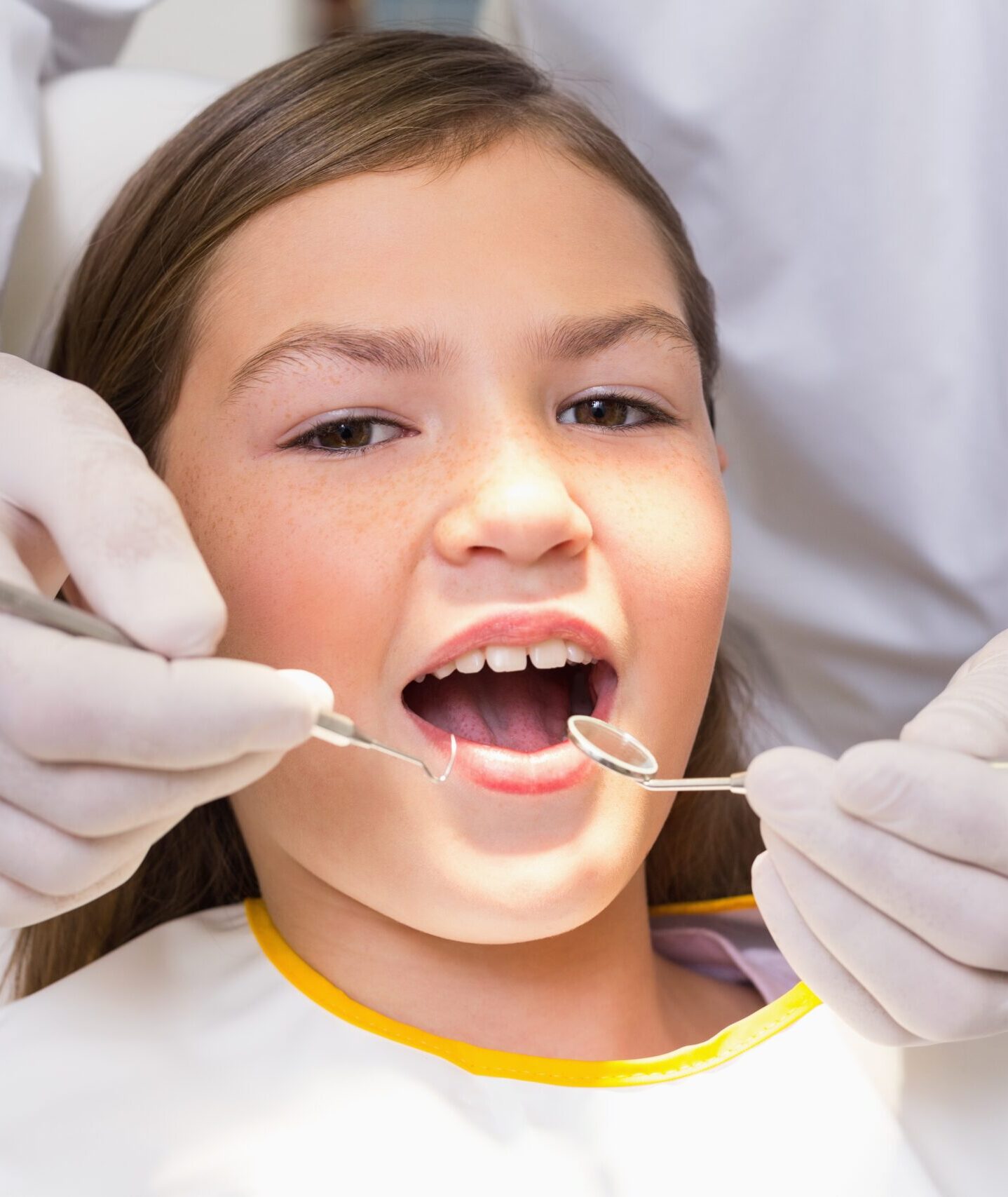
Pediatric dentist examining a patients teeth

The Role of Oral Function in Airway Development

How Oral Habits Drive Airway Problems

Mouth breathing is both a symptom and a cause. When a child breathes through their mouth, the tongue drops and lips part — removing the natural forces that shape the upper arch. This narrows the palate and reduces nasal airway volume, deepening the cycle. Breaking it requires addressing both the structural narrowing and the habitual breathing pattern.

Tongue-Tie, Lip-Tie, and Airway Development

A tongue-tie preventing proper tongue posture is a significant contributor to airway problems. When the tongue sits low rather than pressing against the palate, the result is a narrower arch, higher palate, and reduced nasal airway. Releasing a tongue-tie removes this postural barrier, allowing the tongue to support healthy arch and airway development.

Frequently Asked Questions

Everything You Need to Know About Airway Orthodontics

How do I know if my child has an airway problem?

The most common signs to watch for are habitual mouth breathing during the day, snoring, restless or disrupted sleep, and daytime symptoms like fatigue, difficulty concentrating, or behavioral changes that seem out of character. Because these signs are easy to attribute to other causes, a clinical evaluation that specifically screens for airway concerns is the most reliable way to determine whether a structural problem is contributing.

For children with structural contributors to airway compromise, such as a narrow upper arch or a lower jaw positioned too far back, orthodontic intervention during the growth years can meaningfully increase airway dimensions and reduce reliance on mouth breathing. It is not a substitute for medical care when conditions like sleep apnea are present, but it can be a critical part of a comprehensive treatment approach that addresses the root structural cause.

Regular orthodontics focuses primarily on tooth alignment and bite correction, while airway orthodontics takes a broader view by considering how jaw structure and oral posture affect the upper airway and incorporating that into the treatment plan. In practice, this means screening for breathing and sleep concerns at every evaluation, using 3D imaging to assess airway dimensions, and coordinating with medical specialists when the findings call for it.
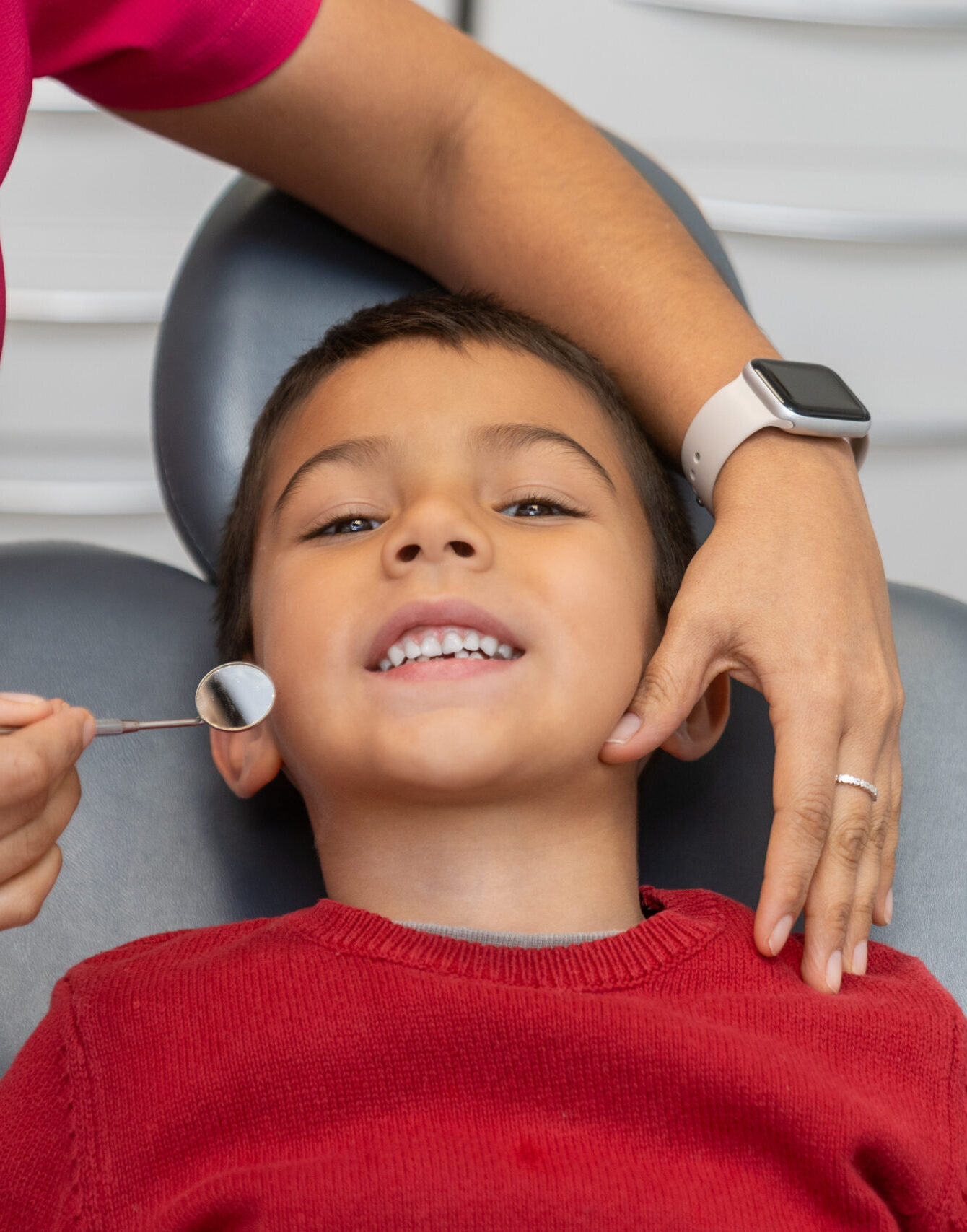
Pediatric dentist using a dental mirror to examine the teeth of a young boy during a routine checkup

At Simon Says Smile, Where every smile is a win!

Get In Touch

Reach out to us today to book your appointment. Our team looks forward to welcoming you and guiding you every step of the way toward a smile you’ll feel confident sharing.

Hours:

Mon-Thu: 7:30AM – 5:00PM
Fri: 8:00AM – 1:00PM
Sat-Sun: Closed

"*" indicates required fields