Habit-Breaking Appliances for Children in Chamblee, GA

At Simon Says Smile, we help children break oral habits that affect dental and jaw development — using custom-fit appliances that work gently and consistently, without relying on reminders or willpower.
Habit-Breaking Appliances

Which Habits Require Orthodontic Intervention

Not every oral habit requires an appliance — intervention depends on the child’s age, how long the habit has persisted, and whether it is affecting development. Habits active beyond age 3 to 4 carry growing risk, and those present when permanent teeth begin erupting around age 6 are particularly likely to cause lasting changes requiring correction.

Habits commonly addressed with appliance therapy include:
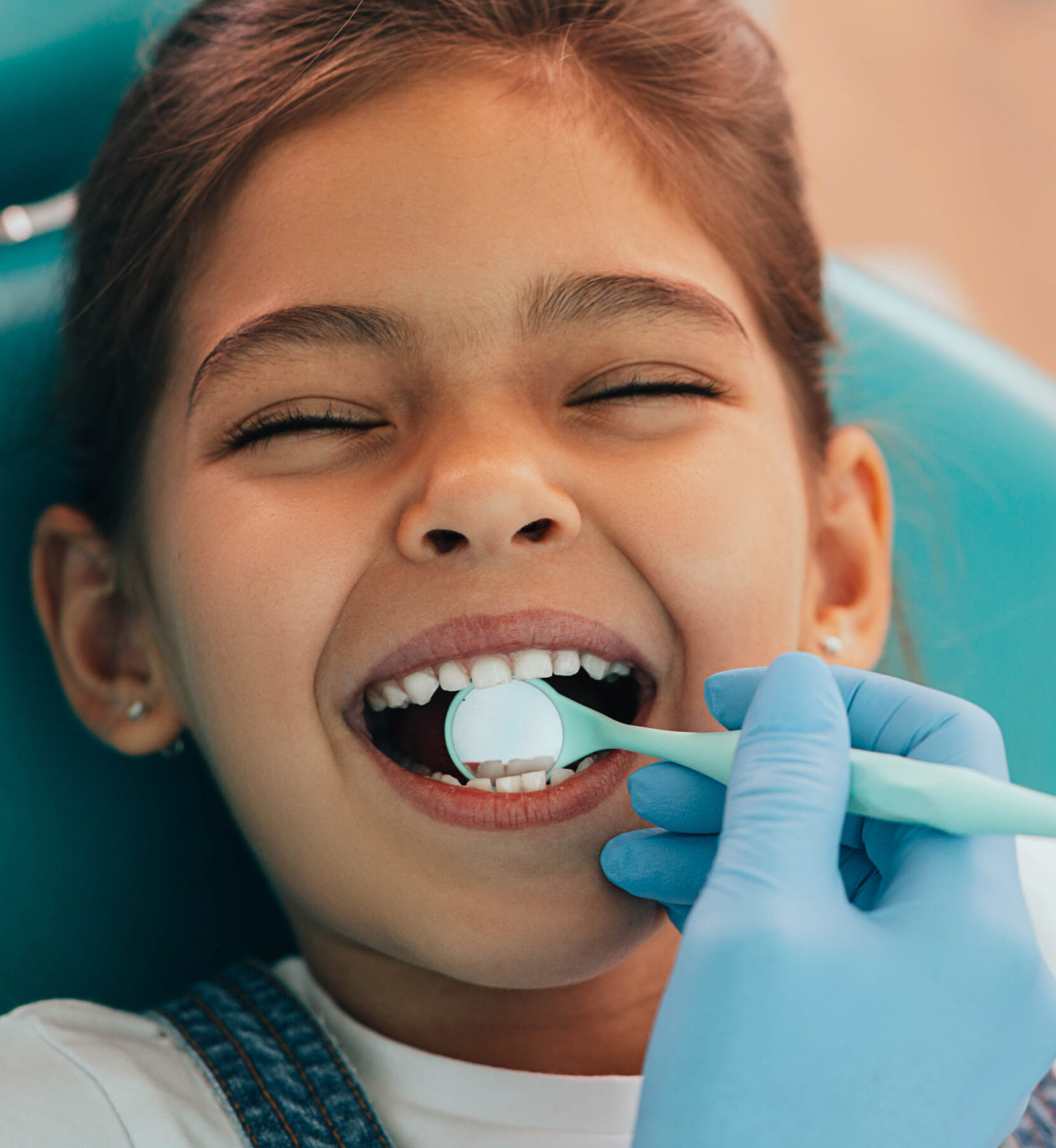
Cute little girl getting teeth exam at dental clinic

What These Habits Do to the Developing Bite

Oral habits cause damage through sustained force and frequency — tipping front teeth, narrowing the arch, and creating an open bite over time. The earlier these habits are interrupted, the less correction is required afterward.

Habit-Breaking Appliances & Airway Development

Thumb sucking and tongue thrusting both narrow the upper arch, reducing nasal airway capacity and promoting mouth breathing. When we recommend a habit-breaking appliance, we also screen for airway concerns — addressing the habit without evaluating the airway leaves part of the clinical picture unexamined.

Appliances for Children with Sensory Needs

For children with sensory processing differences, oral habits are often more deeply ingrained and resistant to behavioral intervention. We work closely with parents to introduce habit-breaking appliances in a way that minimizes sensory disruption and prepares the child for what to expect.

Types of Habit-Breaking Appliances

The appliance we recommend depends on the specific habit, the child’s age, and their dental development. Fixed appliances remain bonded in place for the duration of treatment, while removable options suit milder habits or higher compliance cases.

Habit-Breaking Appliances

What Happens After the Habit Is Broken

Breaking the habit is the first step, but not always the last. Depending on how long the habit was active, orthodontic follow-up may be needed. In younger children, some self-correction can occur naturally once the habit stops. When permanent teeth are already in and changes are established, braces or other orthodontic treatment will likely be needed to complete the correction.

After habit appliance treatment, we evaluate for:
Supporting Long-Term Success After Appliance Treatment

Why Appliances Work When Other Methods Have Not

Stickers, reminders, and coaching rely on conscious awareness — but most children performing these habits are completely unaware they’re doing it. A habit-breaking appliance works precisely because it doesn’t depend on the child’s cooperation. By removing the physical reward the habit provides, it interrupts the neurological feedback loop that sustains it, making discontinuation far more achievable than willpower alone.

The Role of Tongue Function After Habit Treatment

Stopping a thumb sucking or pacifier habit doesn’t automatically correct a tongue thrusting pattern that may have developed alongside it. A persistent tongue thrust continues exerting forward pressure on the teeth, undermining orthodontic stability. Evaluating tongue function after habit appliance treatment is standard in our follow-up process, and when thrusting persists, we refer for myofunctional therapy to ensure the muscular pattern doesn’t compromise long-term results.

Frequently Asked Questions

Everything You Need to Know About Habit-Breaking Appliances

At what age should my child stop thumb sucking?

Most children stop thumb sucking naturally between ages 2 and 4, and habits that resolve within this window rarely cause lasting dental changes. If the habit is still active by age 4 it is worth monitoring, and if it continues into the years when permanent teeth begin erupting, around age 6, we recommend an evaluation to assess whether intervention is needed before the bite is affected.

Habit-breaking appliances are designed to make the habit unrewarding, not to cause pain. A palatal crib, for example, makes thumb placement against the palate uncomfortable rather than painful. There is typically a short adjustment period of a few days during which the child is aware of the appliance and may experience mild soreness, but this resolves quickly as the mouth adapts.

A tongue crib is a fixed appliance placed behind the upper front teeth that blocks the tongue from pressing against them during swallowing, interrupting the tongue thrusting pattern that can cause open bites and tooth protrusion over time. It works the same way a palatal crib does, by removing the physical contact the habit relies on, and is recommended when tongue thrusting is the primary or contributing habit affecting a child’s bite development.
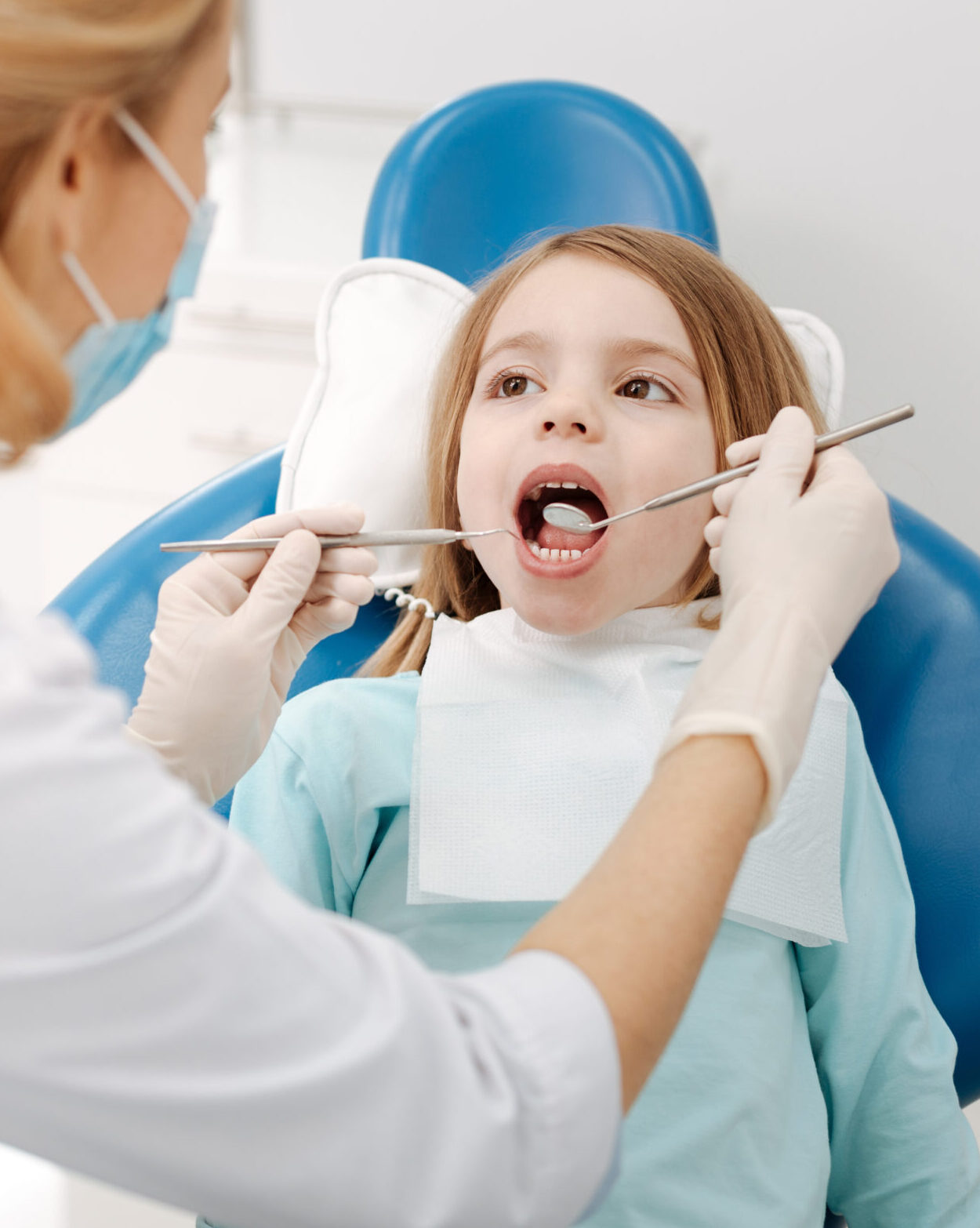
Such a nice lady. Enthusiastic brave little girl sitting in dentists chair and keeping her mouth open while the doctor having a look at her teeth

At Simon Says Smile, Where every smile is a win!

Get In Touch

Reach out to us today to book your appointment. Our team looks forward to welcoming you and guiding you every step of the way toward a smile you’ll feel confident sharing.

Hours:

Mon-Thu: 7:30AM – 5:00PM
Fri: 8:00AM – 1:00PM
Sat-Sun: Closed

"*" indicates required fields