Watching your teen smile with confidence is one of the most rewarding parts of parenting, and orthodontic treatment can make that smile even brighter. Choosing between traditional braces and clear aligner therapy is one of the biggest decisions you will make in that process, and the right choice depends on your teen’s specific dental needs, lifestyle, and level of responsibility.

At Simon Says Smile Orthodontics, we help families throughout Chamblee weigh these options with clear, honest guidance rather than a one size fits all recommendation. Dr. Hazie Simon takes the time to evaluate each teen individually, explaining the tradeoffs of each treatment so parents and teens can make a confident, informed decision together.
What Are the Benefits of Traditional Braces?
Traditional braces use metal or ceramic brackets bonded to each tooth, connected by a wire that gradually shifts teeth into proper alignment. This method has been refined for decades and remains one of the most predictable ways to correct complex bite issues, significant crowding, or major spacing problems.
Because braces are fixed to the teeth, there is no risk of a teen forgetting to wear them or losing them, which can be a meaningful advantage for younger teens who are still building responsibility and consistency. Braces also tend to work faster for more complicated cases, since the constant, continuous pressure keeps treatment moving without relying on daily compliance.
The tradeoff is that braces require more attention to oral hygiene, since food can get trapped around brackets and wires. They can also cause more noticeable discomfort after adjustments and come with some dietary restrictions, such as avoiding sticky or hard foods that could damage the appliance.

Why Clear Aligners Appeal to Many Teens
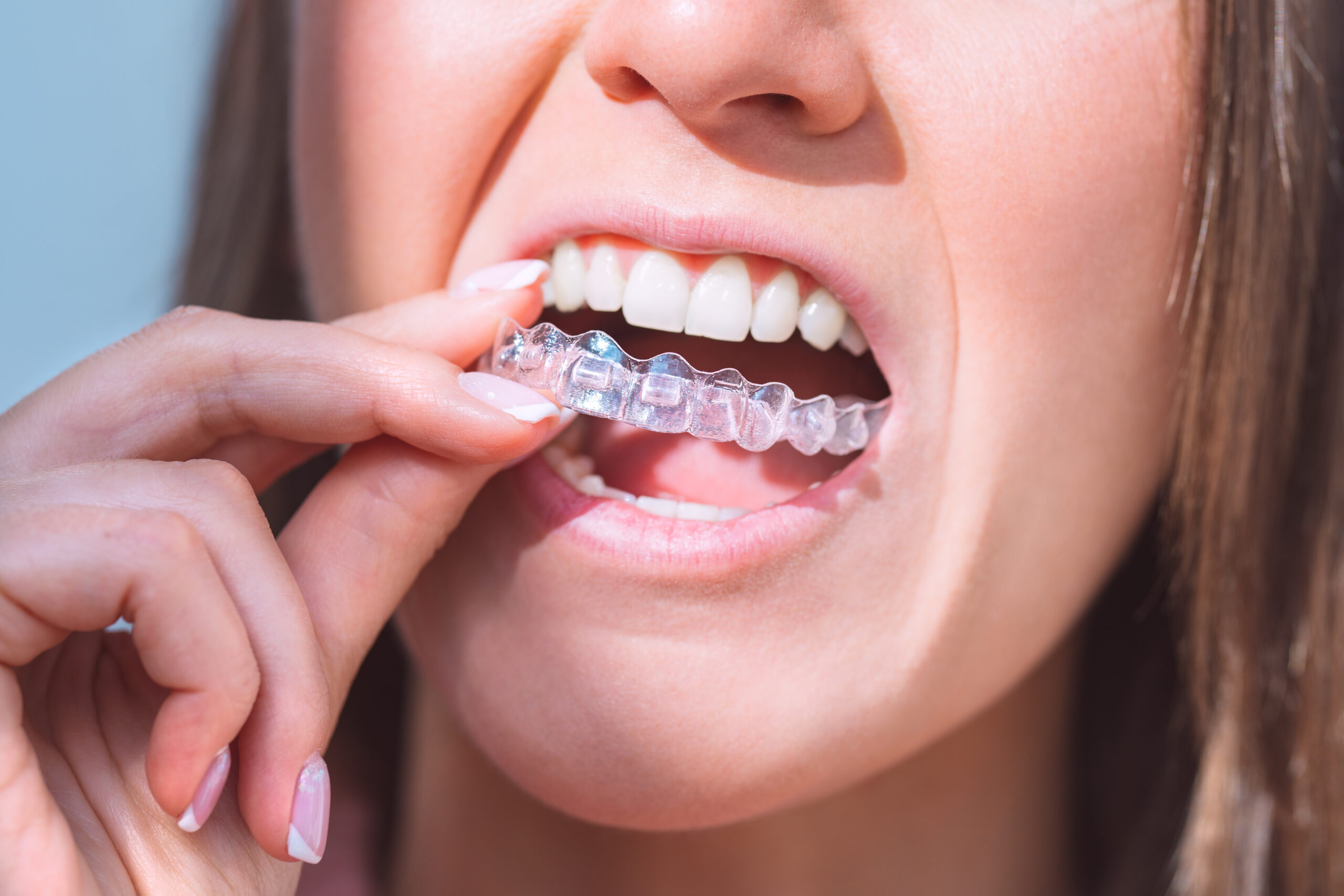
For teens who are self-conscious about a mouth full of metal, clear aligner therapy offers a modern alternative to braces that uses a series of custom made, nearly invisible trays to gently straighten teeth. Because the trays are removable, teens can eat, brush, and floss normally, which often makes maintaining good oral hygiene easier throughout treatment.
Clear aligners tend to be more comfortable day to day, since there are no metal brackets or wires to irritate the cheeks and gums. Many teens also appreciate the discreet look, especially those involved in activities like sports, theater, or photography where a mouth full of brackets might feel like an added source of self-consciousness.
The primary consideration with clear aligners is responsibility. Aligners must be worn about 20 to 22 hours a day to stay on schedule, and it is easy for a busy teen to lose track of wear time or misplace a tray. Clear aligners also tend to work best for mild to moderate alignment issues rather than complex bite corrections.
Factors That Determine the Right Fit For Your Teen’s Smile
Every teen is different, so we look at several factors before recommending a treatment path. Considering these details together helps us build a plan that fits your teen’s mouth and their daily life, rather than forcing a generic solution onto a unique situation.
- Complexity: more severe crowding, spacing, or bite issues often respond better to the constant pressure of braces.
- Responsibility: teens who can reliably wear and track removable trays tend to do well with aligners.
- Lifestyle: teens in sports or performing arts may prefer the discretion and comfort aligners provide.
- Timeline: some cases move faster with braces, while others progress efficiently with consistent aligner wear.
Once we walk through these factors during a consultation, most families find the decision becomes much clearer. We are always transparent about which option gives your teen the best combination of results and day to day comfort.
What the Research Says About Comfort and Results
Clinical research continues to support both treatment paths as effective options for correcting misalignment. A 2023 review published in the Journal of Orthodontic Science found that clear aligner therapy is a safe and effective treatment option that tends to be more comfortable for patients compared to fixed appliances, while noting that more complex cases may still be better suited to traditional methods.
This research reinforces what we see in our own practice. Neither option is universally superior, and the best results come from matching the treatment to the individual case rather than assuming one method is always the better choice.
Getting Started With the Right Treatment Plan
If your teen is ready to begin orthodontic treatment, an evaluation is the best first step toward finding the right fit. Our team reviews your teen’s bite, jaw development, and daily habits, and if your family is earlier in the process, we also offer guidance through pediatric orthodontic evaluations and early orthodontic treatment for younger siblings who may benefit from getting ahead of future issues.
Choose Simon Says Smile Orthodontics for Your Teen Today
Dr. Hazie Simon brings a personalized, patient first approach to every treatment plan, drawing on his experience as a U.S. Navy veteran and his deep commitment to helping young patients feel confident in their own smile. We take the time to explain every option clearly so your family never feels rushed into a decision that affects your teen for years to come.
Whether your teen is a candidate for traditional braces or clear aligner therapy, our Chamblee team is ready to guide you through every step. Contact our office today to schedule a consultation and find the treatment path that fits your teen best.