Braces do their work quietly between appointments, and each adjustment visit is where that progress gets checked and fine-tuned. Many people call these visits braces tightening, but that name only covers part of what happens. At a typical visit, an orthodontist reviews how the teeth are moving, may change or adjust the wire, and may replace the small elastic bands that hold it in place.
Knowing what to expect can make each appointment feel more comfortable for you and your child, and a few familiar steps tend to repeat from one visit to the next. Every treatment plan is personalized, so the details can differ from one patient to the next. Simon Says Smile Orthodontics in Chamblee, GA, is happy to answer questions about braces and what each stage of treatment may involve.
Why Braces Need Regular Adjustments
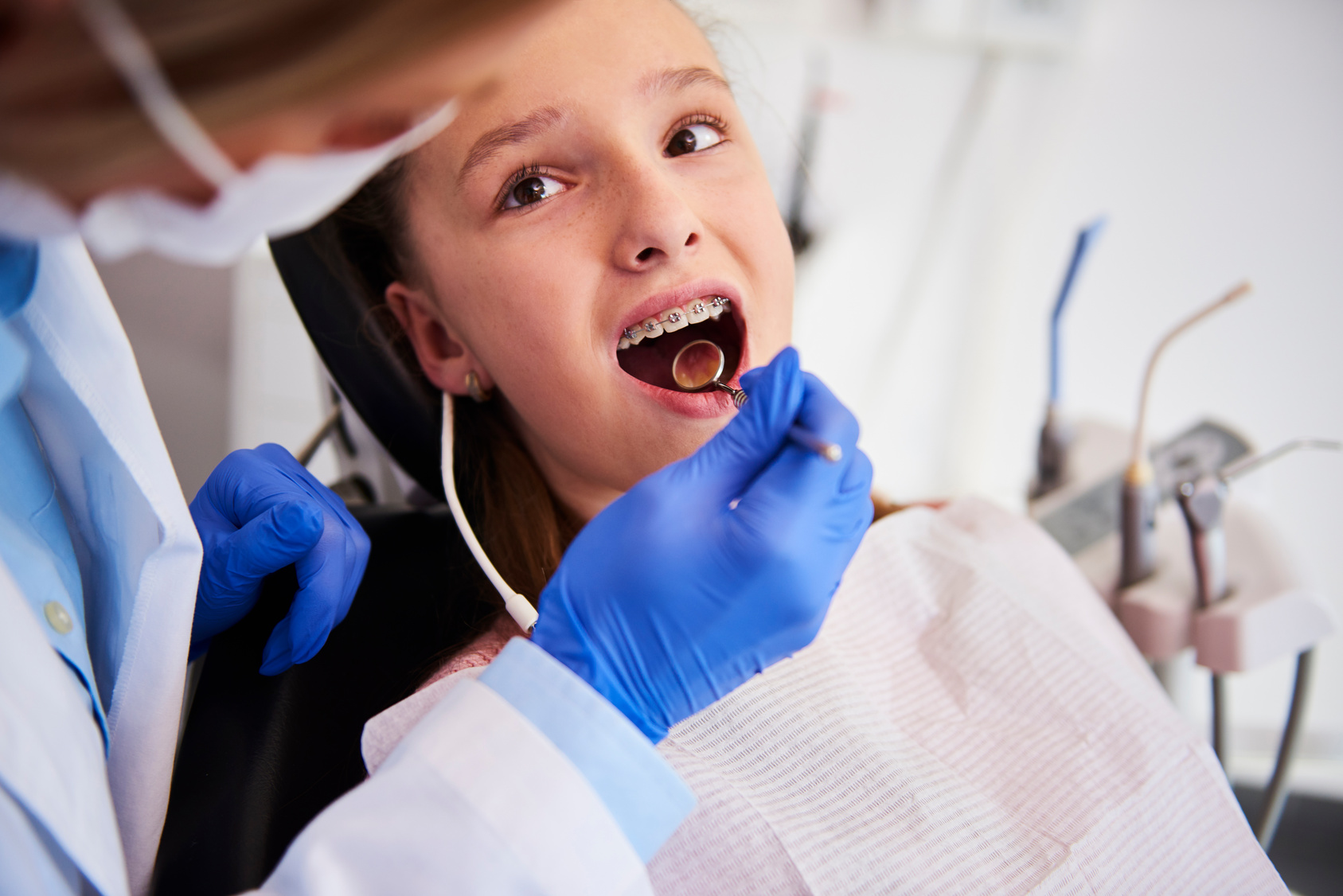
Braces move teeth by applying steady pressure over time. The American Dental Association explains that traditional braces usually consist of small brackets connected by a wire, which is periodically tightened by an orthodontist to gradually shift the teeth and jaw. Bite problems may be inherited or result from injury, early or late tooth loss, or thumb sucking, and most people are in braces for one to three years.
Before getting braces, your child will undergo a thorough orthodontic evaluation to determine the best treatment approach. Once braces are in place, regular visits give the orthodontist a chance to check how their teeth are moving and make adjustments as needed. Keeping these appointments helps treatment stay on track. The American Dental Association (ADA) also notes that an untreated bite problem can contribute to issues like tooth decay and gum disease.
What Happens During an Adjustment Visit
Adjustment visits tend to follow a similar rhythm, although the exact steps depend on each patient’s plan. A typical visit may include these steps:
- Progress check: an orthodontist looks at how the teeth are moving and how the braces are holding up, including whether any brackets or wires have loosened or shifted.
- Wire changes: the archwire, which runs through the brackets, may be changed or adjusted as teeth move.
- Elastic changes: the small elastic bands that hold the wire in place may be replaced, and some patients are given additional elastics to wear as part of their plan.
- Instructions and next steps: the orthodontist may review how to care for the braces at home and note any changes, such as new elastics to wear.
Mention anything that has bothered you between visits, such as a poking wire or a sore spot, so the orthodontist can address it early.
How Visits Change Over Time
Many children begin braces between ages 9 and 14, once enough permanent teeth have come in. The ADA notes that treatment which begins while a child is growing helps produce optimal results. Because treatment plans vary, what happens at one visit may differ from the next, and an orthodontist can explain what each stage involves.
According to the American Dental Association, newer braces materials use gentle, continuous pressure to move teeth and may require fewer adjustments. Once braces are removed, most patients will need to wear a retainer to help keep their teeth in their new positions. Wearing it as directed is an important part of maintaining their results. As treatment comes to an end, your orthodontist will explain what to expect with retainers and how to care for them.
How to Care for Your Braces Between Visits
Braces put pressure on the teeth, so they can feel uncomfortable at times, especially after an adjustment. Discomfort is common and often eases as the teeth settle in, and soft foods or over-the-counter pain relievers may help. If a wire or bracket feels loose or pokes your cheek, reach out to your orthodontist rather than waiting for your next appointment.
While wearing braces, you’ll need to be careful with foods like popcorn, hard candy, gum, ice, raw carrots, and bagels. Hard or sticky foods can break brackets or bend wires, which may mean an extra trip to the orthodontist. You’ll also need to spend a little more time cleaning your teeth. Brush after meals with a soft-bristled toothbrush, paying attention to the areas above and below each bracket. A floss threader or water flosser can make it easier to clean around your braces each day.
Keep Your Smile Moving Forward at Simon Says Smile Orthodontics
Braces treatment takes time, and knowing what to expect between appointments can make the process easier for both kids and parents. At Simon Says Smile Orthodontics in Chamblee, Dr. Hazie Simon develops a treatment plan based on each child’s needs and monitors their progress throughout treatment. Our team also takes time to show families how to care for braces at home, including brushing and flossing around brackets and wires.
If you’re considering braces for your child, we’re here to answer your questions about treatment, appointments, and costs. We offer financing through Cherry and CareCredit and can help with filing insurance claims. Contact our team to schedule a consultation and learn what braces treatment could look like for your child.