Losing a baby tooth is a normal part of growing up, but what happens if one comes out earlier than expected? That empty space may need to stay open long enough for the permanent tooth underneath to come in and settle into its proper place. Without enough room, nearby teeth can begin shifting into the gap.
That does not mean every early tooth loss requires treatment. A space maintainer may be recommended depending on which tooth was lost, your child’s age, and how their permanent teeth are developing. Simon Says Smile Orthodontics can evaluate those factors and help Chamblee parents understand when it makes sense to protect the space.
Why Losing a Tooth Too Soon Can Be a Problem
Baby teeth do more than let your child chew and speak comfortably. They act as placeholders, holding open the exact amount of room their permanent teeth will need later. When a primary tooth is lost earlier than expected, whether from an accident, decay, or another dental issue, the neighboring teeth do not wait patiently for the permanent tooth to arrive. They can drift, tilt, or shift into that open space, narrowing the room available and potentially leading to crowding or a complicated eruption for the tooth that was supposed to grow in there.
Not every early tooth loss requires intervention, but the earlier it happens and the larger the tooth involved, the more likely space maintenance becomes necessary. This is one reason early orthodontic treatment often starts with something as simple as evaluating whether a lost tooth needs support before problems even start.
How We Determine If Your Child Needs One
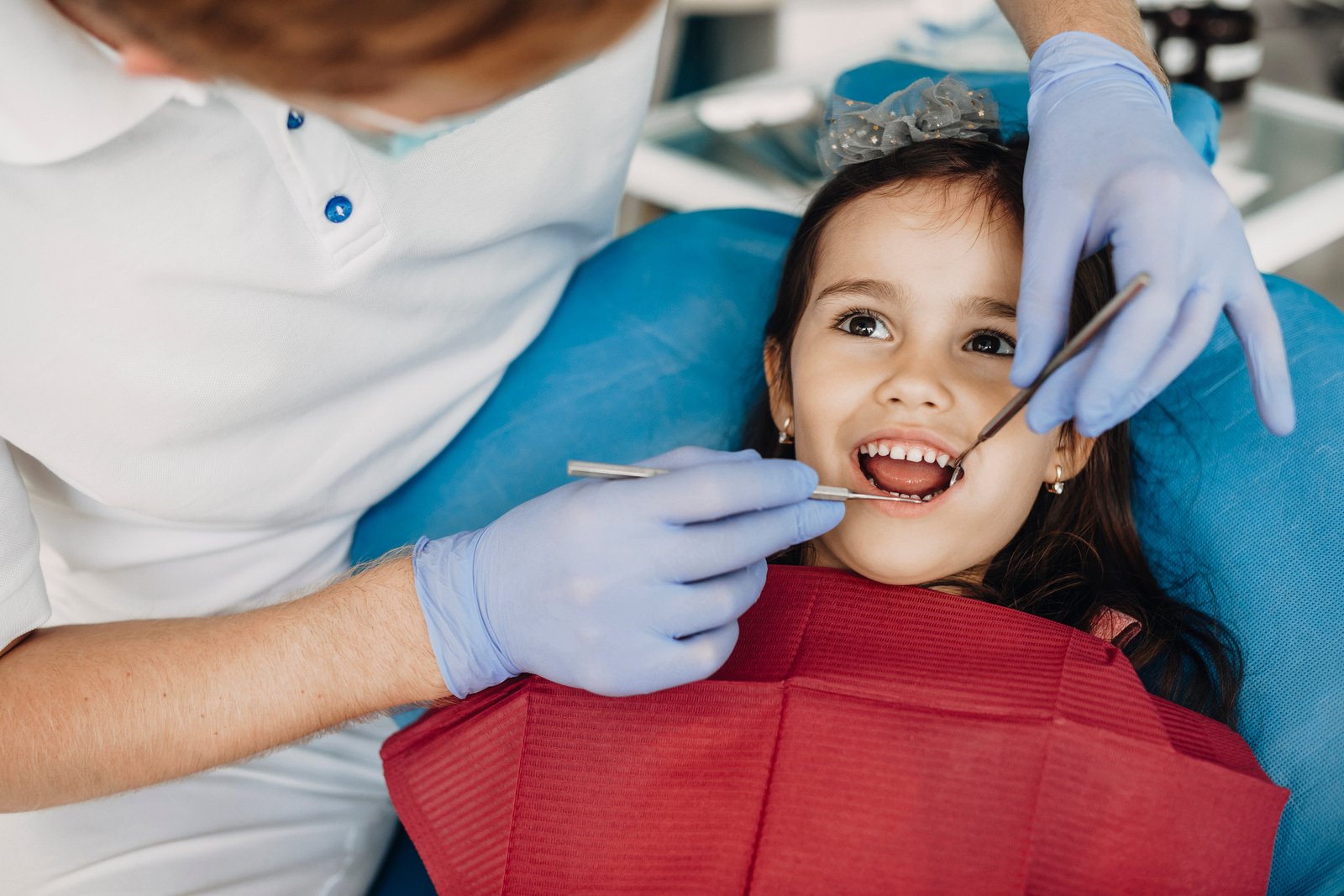
A pediatric orthodontic evaluation can help us determine whether your child needs a space maintainer. We look at their bite, jaw development, and dental X-rays to see where the permanent tooth is and how soon it may be ready to come in. If there is still a while to go, a space maintainer may help prevent the neighboring teeth from shifting into the open space.
We also consider your child’s overall dental development. Existing crowding, the location of the missing tooth, and other alignment concerns can all influence whether maintaining the space is recommended. Looking at these factors together helps us make a recommendation based on how your child’s smile is developing rather than the missing tooth alone.
What Life With a Space Maintainer Looks Like
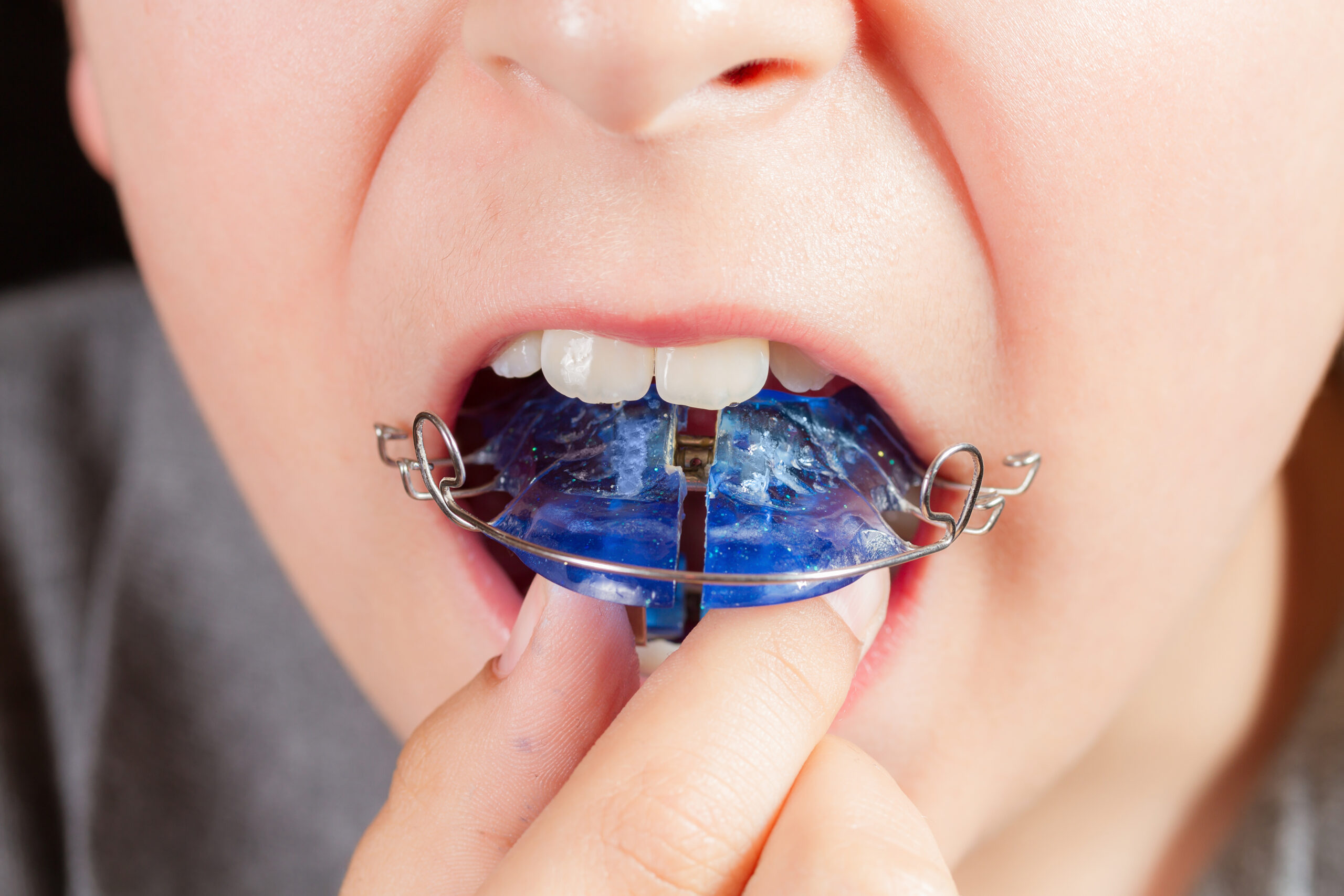
A space maintainer is a small, custom-fitted appliance that may take your child a little time to get used to. Depending on which tooth was lost and where it was located, your child may need a fixed appliance that stays in place or a removable one that can be taken out for cleaning. Either way, a few everyday habits can help protect the appliance and keep your child comfortable:
- Brushing: Clean carefully around the appliance each day to prevent food and plaque from building up.
- Eating: Avoid sticky or hard foods that could bend, loosen, or damage the appliance.
- Checkups: Keep up with regular visits so we can check the fit and monitor the development of your child’s permanent teeth.
- Comfort: Some children may notice mild soreness or an unfamiliar feeling at first as they adjust to the appliance.
Once your child gets used to the space maintainer, caring for it can become another part of their normal dental routine. We will continue monitoring the space as their smile develops and let you know when the appliance is no longer needed. For some children, protecting that space now may also help prepare for future orthodontic treatment, such as braces.
Why Parent Awareness Makes a Real Difference
Most parents have little reason to think about space maintainers until their child actually needs one. A 2024 study published through the National Institutes of Health found that many surveyed parents had limited knowledge about space maintainers, including how to care for them and why regular checkups matter. Learning a little about the process beforehand can make it easier to know what questions to ask if early tooth loss becomes a concern.
Parents also play an important role once a space maintainer is in place. Knowing which foods to avoid, how to keep the appliance clean, and what to do if it becomes loose or damaged can help treatment stay on track. When other concerns require early attention, such as tongue-tie treatment, our team can help families understand how that care fits into their child’s overall dental development.
Trust Simon Says Smile Orthodontics With Your Child’s Smile
Losing a baby tooth earlier than expected does not always mean your child will need orthodontic treatment. It does mean it is worth taking a closer look at how the surrounding teeth and your child’s smile are developing. Dr. Hazie Simon can evaluate the space and help you understand whether a space maintainer or simply keeping an eye on the area makes sense.
If your child recently lost a tooth ahead of schedule, you do not have to figure out the next step on your own. Contact us to schedule an evaluation at Simon Says Smile Orthodontics in Chamblee. We will take a look at what is happening and talk you through your options.