If you have been handed a PPO insurance card and told it covers orthodontics, you have probably still walked away with more questions than answers. Insurance language is full of terms that sound straightforward but rarely explain what you will actually pay, and orthodontic coverage works differently than the dental benefits you are used to. Understanding lifetime maximums, percentage coverage, and how claim filing works can save you from an unpleasant surprise partway through treatment.
At Simon Says Smile Orthodontics, we help Chamblee families make sense of their insurance benefits every single day. We file claims with PPO plans from providers like Aetna Dental, Blue Cross Blue Shield, Cigna Dental, Delta Dental, Guardian, Humana Dental, MetLife, Principal, United Concordia, and United Healthcare Dental, so you are never left guessing what to submit or how the process works.

Why Orthodontic Coverage Works Differently
Most dental benefits reset every year, but orthodontic coverage almost always operates under a separate lifetime maximum instead. This is a one time dollar amount your plan will pay toward orthodontic treatment for that person, and once it is used, it does not renew, regardless of how many years remain on your policy. According to FAIR Health, a nonprofit that helps consumers understand healthcare costs, dental plans typically pay a similar percentage of treatment fees no matter which provider you choose, though your total out-of-pocket cost can still vary based on that provider’s fees.
That distinction matters when comparing PPO plans. Many patients assume their insurance only helps if they see a specific dentist. In most cases, that is not true. Your plan can still pay toward treatment with the orthodontist you choose, whether your child needs clear aligner therapy or a more traditional path. The real difference shows up in what you owe after insurance pays its share, because the provider’s fee and the plan’s allowed amount are not always the same number.
What Your PPO Plan Actually Pays For
Understanding the mechanics of your benefit can make the numbers feel less like a mystery. As a general rule, PPO plans commonly pay a set percentage, often fifty percent, of the approved treatment fee until the lifetime maximum is reached. As an example, a plan with a two thousand dollar lifetime maximum at fifty percent coverage will keep paying until that amount has been used, then stop regardless of how much treatment remains. The exact percentage and maximum for your family depends entirely on your specific plan.
Payments are also typically spread out rather than paid in one lump sum. Insurance companies often divide the benefit across the length of treatment, sending a portion with each payment period rather than a single check upfront. This is one reason a treatment estimate can look different from what actually gets billed month to month, and it is exactly the kind of detail our team walks patients through before treatment begins. A few other details worth knowing before you start treatment are:
- Separate maximums: Orthodontic lifetime maximums are separate from your annual dental maximum, so using one does not reduce what is available for the other.
- Plan-to-plan differences: Coverage percentages and dollar maximums vary significantly between PPO plans, even within the same insurance company.
- Age limits: Some plans apply age restrictions to orthodontic benefits, often capping coverage once a dependent turns nineteen.
These variables are why reading your specific plan documents matters more than assuming your coverage matches a friend’s or family member’s plan, even with the same insurer.
How We Handle Your Insurance For You
We accept a wide range of PPO plans and take care of filing every claim on your behalf, so you can focus on your child’s care instead of paperwork. Whether your family is weighing traditional braces or another option, our team files with most major providers and works to make sure you receive every benefit available under your plan.
Practically, this means you can choose your orthodontist based on experience and fit, while we handle the insurance paperwork and filing for you. We also offer flexible financing through Cherry and CareCredit for costs that fall outside what your insurance covers, giving families more room to plan ahead.
Let Simon Says Smile Handle Your Insurance Questions
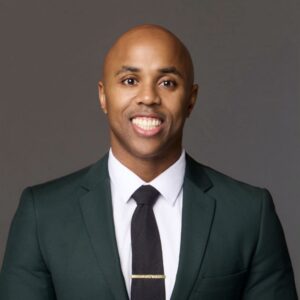
Dr. Hazie Simon founded Simon Says Smile Orthodontics in Chamblee because he wanted families to have a trusted, familiar presence throughout their entire orthodontic journey, not just a single appointment. As a U.S. Navy veteran and author of a children’s book about a young patient who grows up to become an orthodontist, Dr. Simon understands what it means for a child to feel proud of their smile.
Our team will walk you through your insurance benefits, file your claims, and help you understand your financing options before treatment ever begins. If you are ready to see what your PPO plan covers for your family, reach out to us here, and we will help you get started.