Parents sitting across from an orthodontist for the first time often expect one option: metal brackets and wires. Today, that is only part of the picture, and knowing the difference between the two main paths can make treatment planning feel far less overwhelming.

At Simon Says Smile Orthodontics, we walk every family through both braces and clear aligner therapy so the choice fits the smile in front of us, not a one-size-fits-all plan. Understanding how each option works, and where each one shines, helps you feel confident no matter which direction your child’s treatment takes.
What Clear Aligners Actually Do
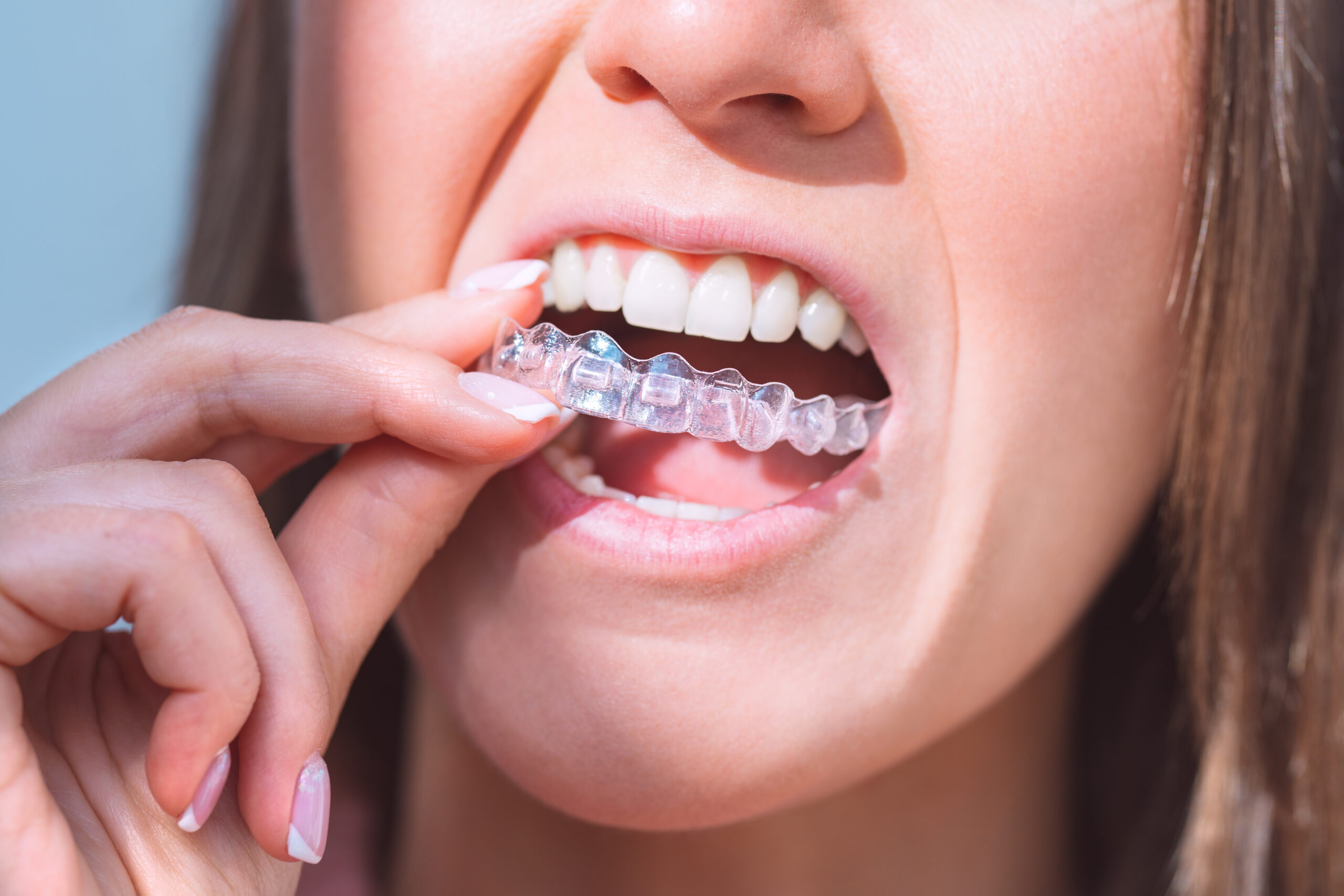
Clear aligner therapy uses a series of custom, nearly invisible trays that gradually shift teeth into place. Each tray is worn for one to two weeks before being swapped for the next in the series, with every set nudging the teeth a small step closer to their final position. Because the trays are removable, patients can take them out to eat and brush, which many teens and image-conscious patients appreciate.
The trade-off is responsibility. Aligners only work if they are worn as prescribed, generally around 22 hours a day, and misplaced or forgotten trays can slow progress. For motivated patients with mild to moderate spacing or crowding, clear aligners can deliver excellent results with a more discreet, flexible experience.

What Traditional Braces Actually Do
Braces use brackets bonded to each tooth and connected by an archwire, which our team adjusts at regular visits to guide teeth into their proper alignment. Because braces stay in place around the clock, they do not depend on a patient remembering to wear them, which can make them a dependable option for younger children or more complex bite corrections.
Braces also tend to handle more involved cases, including significant crowding, rotated teeth, and bite issues that need precise, continuous pressure. Patients do need to avoid certain hard, sticky, or chewy foods and pay close attention to brushing around brackets and wires, but the appliance itself never needs to be taken in and out.
Comparing Comfort, Care, and Daily Life
Both options involve some adjustment period, though the type of discomfort differs. Aligner patients typically notice mild pressure when switching to a new tray, while braces patients may feel soreness after adjustments. Neither tends to last long once a routine sets in.
A few everyday differences are worth keeping in mind as you weigh the two paths:
- Aligners come out for meals, so there are no food restrictions, while braces call for avoiding hard, sticky, and chewy foods.
- Aligner trays require careful cleaning of both the teeth and the tray itself before reinserting them.
- Braces stay fixed in place, which removes the responsibility of remembering to wear an appliance for a set number of hours each day.
Whichever appliance a child wears, consistent brushing, flossing, and regular checkups remain the foundation of a healthy outcome throughout treatment.
How We Help You Choose the Right Fit
Every smile is different, and the right appliance depends on the specific bite issue, the patient’s age, and how much responsibility a child is ready to take on with a removable tray. Research comparing clear aligners against fixed appliances continues to show that both approaches can produce strong results, though case complexity often points toward one option over the other.
During a pediatric orthodontic evaluation, we look closely at your child’s bite, jaw growth, and daily habits before recommending a path forward. We also walk families through insurance and financing options early, so the financial side of treatment feels just as clear as the clinical side.
Choosing Simon Says Smile Orthodontics for Your Child’s Care
Dr. Hazie Simon founded Simon Says Smile Orthodontics in Chamblee after years of clinical experience convinced him that families deserve more personalized attention than a high-volume practice can offer. As a U.S. Navy veteran and the author of the children’s book Simon Says Smile, he brings a genuine understanding of what it means to help a child grow into their confidence, one step at a time. Our team also serves the community’s many Spanish-speaking families, so language is never a barrier to getting clear answers about treatment.
Whether your child is a good candidate for clear aligners or will benefit more from traditional braces, our team takes the time to explain the reasoning behind every recommendation. Contact our office today to schedule an evaluation and find the right path forward for your child’s smile.