

Retainers
Factors that contribute to post-treatment shifting include:

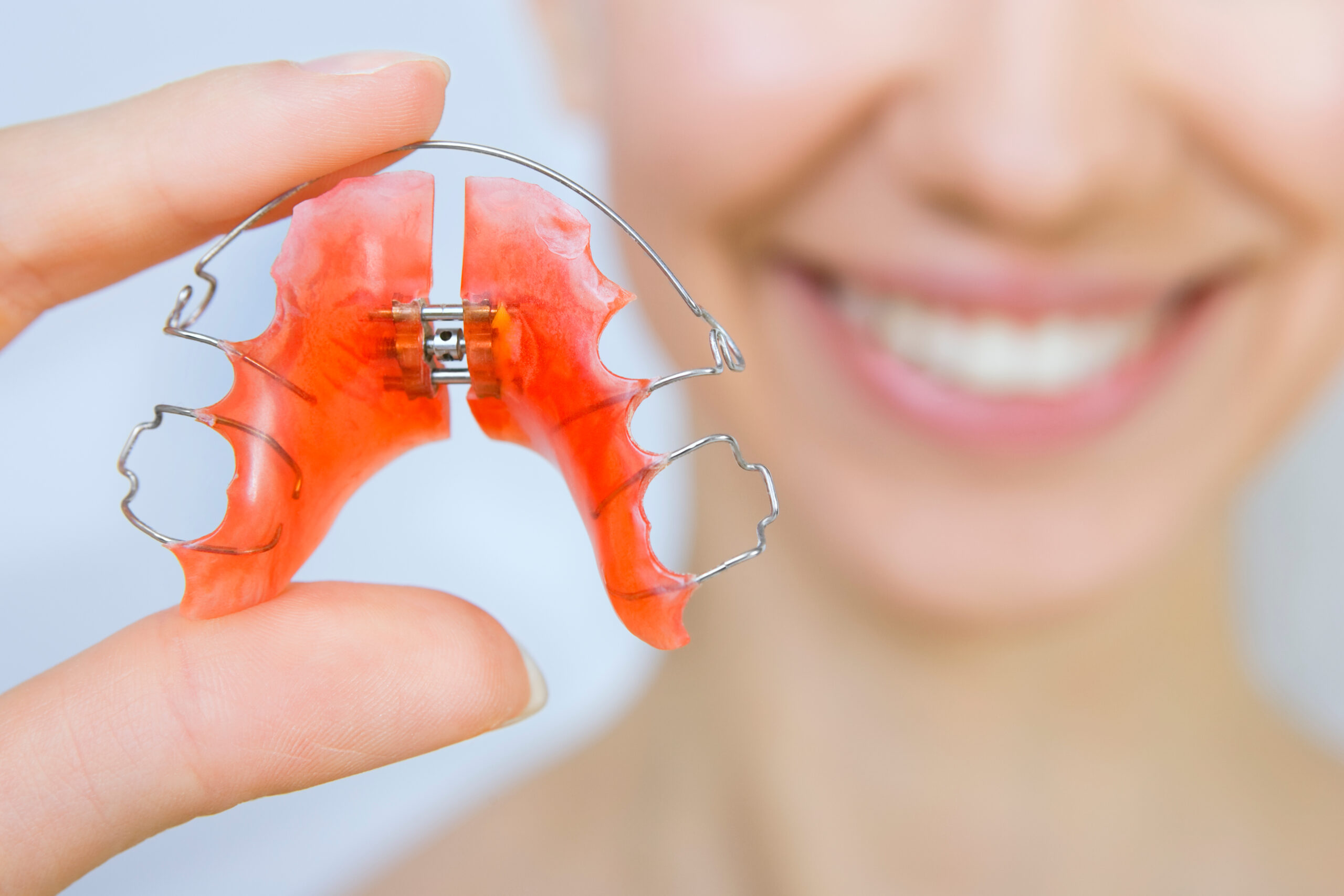
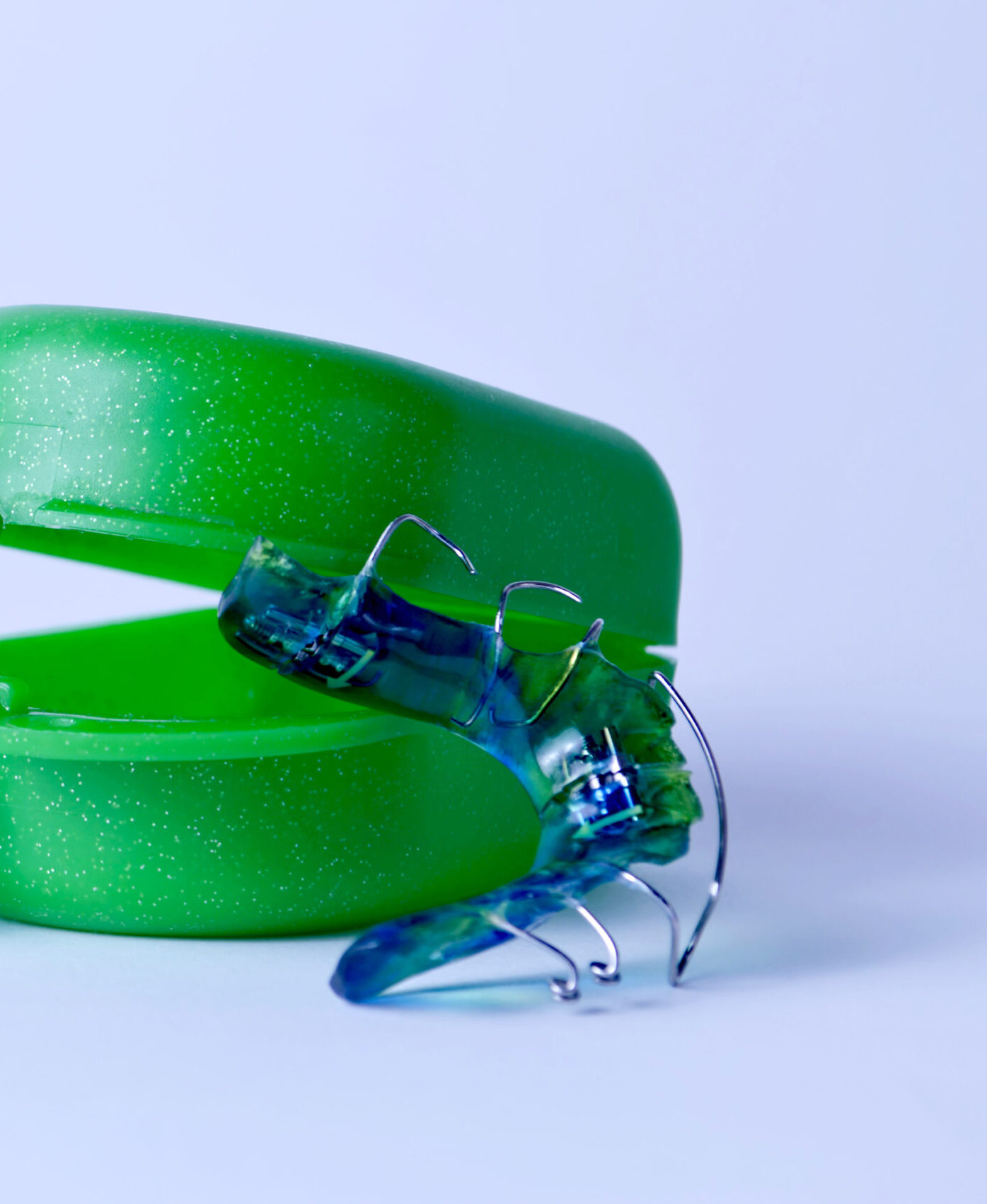
Retainer type depends on treatment, age, and lifestyle. Removable options are worn for prescribed hours; fixed retainers are bonded behind the front teeth and require no patient action. Many patients use both — fixed on the lower arch, removable for the upper.
Jaw growth continues after treatment ends, complicating retention for children and teens. We monitor retainer fit at follow-up visits and replace or adjust as needed throughout adolescence.
Retainers
A lost or broken retainer should be replaced as quickly as possible. Even a few weeks without wear can cause enough shifting that the replacement no longer fits — potentially requiring additional treatment before a new one can be made. We see patients promptly when a retainer is lost or damaged and keep records on file to expedite replacement.
To avoid retainer emergencies:

Frequently Asked Questions
Retainer wear is a long-term commitment. Most patients wear their retainer full time for the first several months after treatment, then transition to nightly wear once the teeth have stabilized, and we recommend maintaining that nightly routine indefinitely. Teeth have a natural tendency to shift throughout life, and consistent retainer wear is the only reliable way to prevent that from undoing the results of treatment.
A removable retainer is taken in and out by the patient and worn for a set number of hours each day, while a fixed retainer is a thin wire bonded permanently to the back surfaces of the teeth that works continuously without any action required from the patient. Many patients use both: a fixed retainer on the lower front teeth, where shifting is most common, paired with a removable retainer for the upper arch.
Some tightness when putting a retainer back in after time away from wearing it is normal and is a sign that the teeth have moved slightly during that period. If the retainer seats fully and the tightness resolves within a day or two of consistent wear, there is no cause for concern, but if the retainer no longer fits at all or causes significant discomfort, contact our office so we can assess whether any shifting has occurred that needs to be addressed.
At Simon Says Smile, Where every smile is a win!
Reach out to us today to book your appointment. Our team looks forward to welcoming you and guiding you every step of the way toward a smile you’ll feel confident sharing.
Mon-Thu: 7:30AM – 5:00PM
Fri: 8:00AM – 1:00PM
Sat-Sun: Closed
"*" indicates required fields